About
Shanghai Eesson Mech Tech Co., Ltd is a professional manufacturer of high-precision stainless steel casting and zinc alloy die casting in China. As a reliable zinc die cast manufacturer, we are committed to providing our customers with quality and reliable products and services. We produce products cover transportation vehicles, industrial machinery, medical equipment, pumps, valves and pipe fittings, door locks and hardware, plumbing and bathroom fixtures, lighting fixtures, etc. The products are widely used in various industries such as medical care, construction, power, petroleum, chemical engineering, shipping, automobiles, home appliances, etc.We have a professional management team that consistently delivers timely and expert technical services to our customers. This includes comprehensive process management from quotation to production and delivery, ensuring that clients are promptly informed of their order progress at every stage.We are dedicated to the production of a wide range of high-precision stainless steel and alloy steel precision castings, and are committed to delivering an exceptional experience to our customers through our professional technology and service. https://www.eessoncast.com/
Home
Eesson zinc alloy die casting supplier provides superior die casting solutions with a focus on precision and quality. Our state-of-the-art technology ensures each product meets the highest standards. We are committed to delivering innovative and reliable solutions for all your die casting needs.
ContactRoom J757, No. 5358, Huyi Rd, Jiading, Shanghai, China
 Benefits and Drawbacks of Zinc Die Casting
Zinc die casting is a popular manufacturing technique where molten zinc is forced into a mold under high pressure. Renowned for its strength, durability, and precision, this method is widely adopted across industries like automotive, electronics, hardware, and consumer goods. This article delves into the primary benefits and limitations of zinc die casting, shedding light on why Heyi, a leader in this space, relies on zinc for many manufacturing needs.
Advantages of Zinc Die Casting
Zinc die casting excels in producing intricate components with high precision and dimensional stability, allowing for complex shapes and tight tolerances that often require little to no additional machining. The mechanical properties of zinc alloys, including exceptional strength and impact resistance, make them ideal for both structural and functional parts, surpassing many other non-ferrous metals. Additionally, zinc's low melting point of approximately 420°C reduces wear on molds, leading to extended tool life and lower maintenance costs compared to materials like aluminum or magnesium. The process is highly efficient, enabling rapid production cycles and the creation of near-net-shape parts, which translates to cost savings in medium- to high-volume production. Zinc castings also boast smooth surfaces and fine details, minimizing the need for finishing and supporting various coatings for enhanced aesthetic appeal, making them perfect for consumer products. Furthermore, zinc's excellent electrical conductivity and electromagnetic shielding properties make it a top choice for electronic and telecommunication components.
Disadvantages of Zinc Die Casting
Despite its strengths, zinc die casting has some limitations. Zinc is denser and heavier than alternatives like aluminum or magnesium, which can restrict its use in applications where weight is a priority, such as aerospace or lightweight electronics. Additionally, zinc components may lose mechanical strength in high-temperature environments, rendering them less suitable for applications requiring thermal resilience without protective measures. The cost of zinc alloys can also be higher than other materials, subject to market fluctuations, potentially affecting budget-conscious projects. Lastly, zinc is better suited for small to medium-sized parts due to its flow and solidification properties, as larger components may face challenges in achieving uniformity and strength.
Why Choose Zinc for Die Casting?
Zinc die casting is an excellent option for projects requiring high precision, consistent quality, and fast production, particularly in high-volume runs where initial tooling costs are offset by long-term efficiency. Professional die casting services can help manufacturers optimize material selection, production processes, and final part performance. Its versatility and attractive finishes make it a go-to material for both decorative and functional applications across industries. For instance, Heyi utilizes zinc for automotive components like locks and connectors, electronic housings and shielding, appliance parts such as knobs and switches, and durable consumer goods. Moreover, zinc's 100% recyclability and the minimal waste generated during casting make it an environmentally friendly choice, aligning with sustainable manufacturing goals.
Zinc die casting combines precision, durability, and cost-effectiveness, positioning it as a valuable manufacturing solution. However, its suitability depends on specific project requirements, including application, production volume, and performance needs. Partnering with an experienced casting expert like Heyi can ensure informed decisions and optimized outcomes for your next project.
Shanghai Eesson Mech Tech Co., Ltd is a professional manufacturer of high-precision stainless steel casting and zinc alloy die casting in China. As a reliable zinc die cast manufacturer, we are committed to providing our customers with quality and reliable products and services. We produce products cover transportation vehicles, industrial machinery, medical equipment, pumps, valves and pipe fittings, door locks and hardware, plumbing and bathroom fixtures, lighting fixtures, etc. The products are widely used in various industries such as medical care, construction, power, petroleum, chemical engineering, shipping, automobiles, home appliances, etc.
 Analysis of Process Advantages of Zinc Die Casting Machine
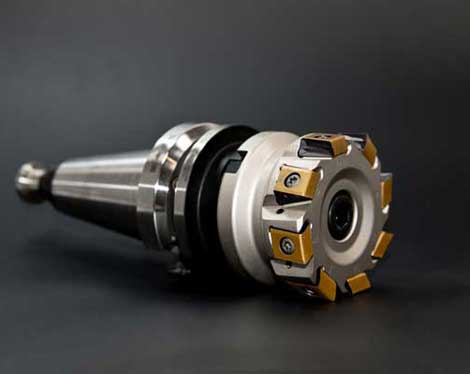
In modern industrial production, zinc die casting machines, zinc casting equipment, and die casting equipment are important tools in the manufacturing field, widely used in automotive, home appliances, construction, and other industries. They provide an efficient and precise production method, enhancing manufacturing efficiency and product quality. This article will delve into the working principle of zinc die casting machine and their significant advantages, allowing you to understand their widespread application across various industries.
Working Principle of Zinc Alloy Die Casting Machine
Zinc alloy die casting machine is a type of die casting equipment capable of pressing molten zinc alloy into solid products. During operation, the molten zinc alloy is first poured into a mold, then pressed into the mold under high pressure. Finally, it is cooled and shaped to obtain the solid product we need. This process requires precise control of temperature and pressure to ensure product quality and efficiency.
Advantages of Zinc Alloy Die Casting Machine
Efficiency: Zinc casting equipment can complete a large number of production tasks in one go, greatly improving efficiency compared to traditional manual or semi-automated production methods.
High Precision: Since the zinc alloy is injected directly into the mold under high pressure, very precise shapes and sizes can be obtained.
Stable Quality: Because the entire production process occurs under high temperature and high pressure, some defects of traditional casting methods, such as porosity and shrinkage, can be eliminated, resulting in more stable product quality.
Wide Range of Applications: Zinc die casting machine can produce not only various simple parts but also products with complex internal structures.
Applications of Eesson Zinc Alloy Die Casting Machine
Zinc die casting machine is efficient and precise manufacturing tools with widespread applications in various industries. With technological advancements, we believe the functions and performance of zinc casting equipment will further improve, bringing more convenience to our production.
Zinc die casting machine is widely used in the automotive, electronics, construction, and other industries. In the automotive industry, die casting technology is used to manufacture engine components, headlamp housings, exhaust systems, etc. In the electronics industry, die-cast products like mobile phone cases and computer accessories hold an important position. In the construction field, die-cast items like door handles and window frames are also widely used.
In summary, zinc die cast machines, zinc casting equipment, and die casting equipment are indispensable high-efficiency devices in modern industrial production. They provide precise and efficient manufacturing methods for various industries. With continuous technological development, we have reason to believe that these devices will continue to drive production efficiency and product quality in various industries to higher standards.
 What to Know About Zinc Alloys for Casting
Zinc is often overlooked in favor of aluminum or steel. But it might just be the perfect material for high-precision casting.
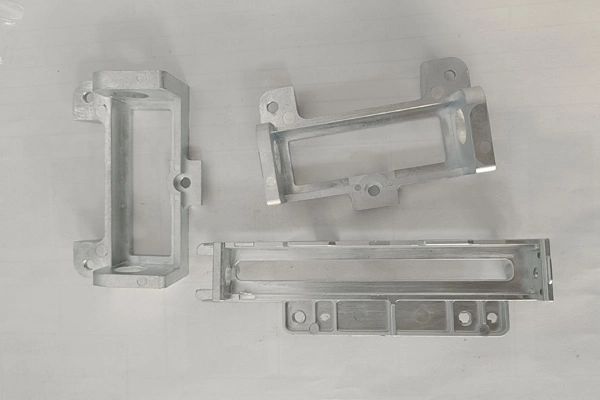
Zinc alloys are ideal for die casting because they offer strength, precision, and design flexibility while keeping production costs low, especially in high-volume manufacturing.
Zinc casting offers a unique balance that is hard to beat. As someone who has worked with many alloys over the years, I’ve learned that zinc consistently surprises me with how well it performs. In this article, I want to walk you through the basics and beyond — so you’ll know exactly when and why to choose zinc.
Properties of Zinc Alloys?
Zinc can be cast into incredibly fine shapes. But why does it behave that way? Let's break it down.
Zinc alloys have low melting points, high fluidity, good dimensional stability, and excellent corrosion resistance, making them perfect for small, complex, and durable components.
Mechanical and Physical Properties of Zinc Alloys
Zinc alloys are strong enough to handle mechanical stress while being flexible enough to mold into tiny features. Their low melting point means they can be cast with less energy and faster cycle times, which helps keep costs down.
Here's a simple table to show the properties that matter:
In my experience, zinc is the go-to when customers want fine detail, long-lasting strength, and tight dimensional control — especially when we use multi-slide machines for high-speed, precision parts.
Common Types of Zinc Alloys?
There are many zinc alloys. Each one solves a slightly different problem.
The most common zinc alloys for die casting are Zamak 2, 3, 5, and 7. Zamak 3 is the industry standard, while Zamak 5 offers better strength and wear resistance.
Choosing the Right Zinc Alloy
Not every zinc alloy works for every job. I usually start by looking at strength, casting precision, and surface finish when selecting the right casting zinc alloy for each application.
Here’s a breakdown I often refer to when advising clients:
One of our long-term clients had issues with connector warpage. We switched them from Zamak 5 to Zamak 7, and it immediately improved both fit and finish. The right alloy can make or break your part — literally.
Die Casting Process for Zinc Alloys?
So, how do we turn a raw zinc alloy into a high-precision part?
Zinc die casting involves injecting molten zinc into steel molds under high pressure. It’s fast, accurate, and ideal for producing complex shapes in large quantities.
Inside the Zinc Die Casting Process
This process is where the magic happens. Here's what a typical production cycle looks like:
- Mold Design – I always say this is the most important step. Without a good mold, even the best alloy won’t help.
- Melting the Alloy – Zinc melts quickly and cleanly. That’s part of what keeps cycle times short.
- Injection – Molten zinc is pushed into the mold cavity at high pressure.
- Cooling and Ejection – The part solidifies quickly, then is released from the mold.
- Trimming and Finishing – Any excess material is removed, and surface finishes are applied if needed.
At Eesson, we specialize in multi-slide die casting, which allows us to cast very intricate components that would be difficult or impossible using traditional methods. This technology has let us help clients who needed tiny parts with hidden undercuts, like headphone jacks or sensor housings, without having to go to more expensive CNC solutions.
Advantages of Eesson Zinc Alloys for Casting?
You might be wondering why someone would pick zinc over aluminum or magnesium.
Zinc alloys offer better dimensional control, longer mold life, and lower total production costs, especially for high-volume or small-part applications.
Why Zinc Beats Other Alloys (Sometimes)
Zinc is not always the right choice, but when it is, it wins big. Here's how I explain it to clients comparing options:
We had a project for a medical handheld device housing where tolerance was critical, and the part had to feel solid without being heavy. Zinc gave us the finish and stability we needed — plus the mold has already lasted through over 500,000 shots with no major maintenance. That's the kind of durability you can't ignore.
Zinc alloys make zinc alloy die casting easier, cheaper, and more precise, especially for complex or high-volume parts.
As a zinc die casting supplier, we will do our best to meet all the needs of customers.